

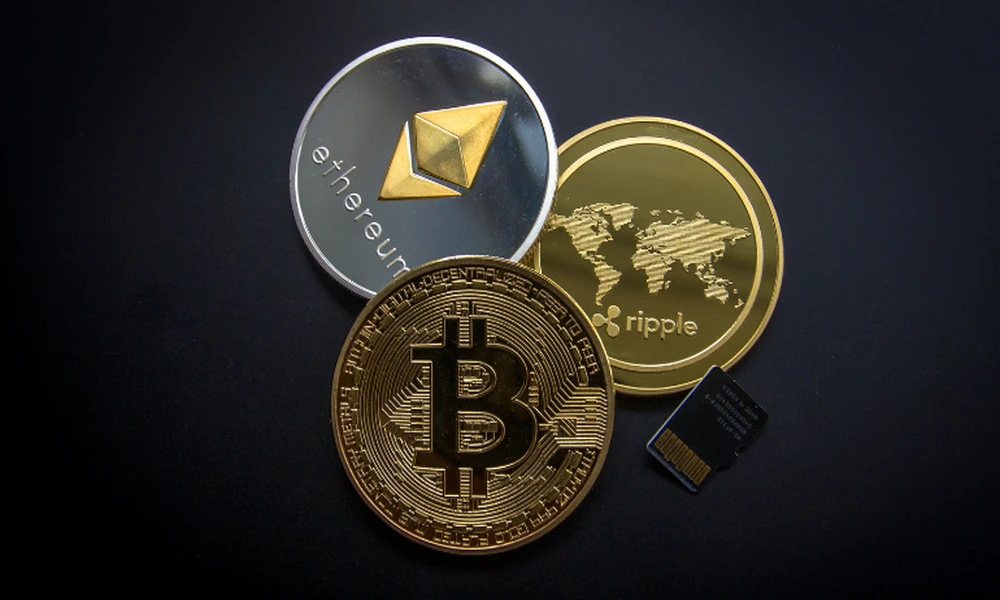
Crypto mining is often discussed as one of the ways to earn cryptocurrency. For Indian investors, understanding mining – and whether it makes sense to pursue it – requires knowledge of how it works, what it costs, and how it is regulated. This guide covers everything you need to know.
What is Crypto Mining?
Crypto mining is the process by which new transactions on Proof of Work blockchains (like Bitcoin) are validated and added to the blockchain. Miners use powerful computers to solve complex mathematical problems. The first miner to solve the problem gets to add the next block to the chain and receives a reward in cryptocurrency.
This process is called Proof of Work (PoW). The “work” is the computational effort required to solve the mathematical problem. This effort makes it economically prohibitive to attack the network.
Bitcoin mining specifics:
- Miners compete to find a valid “hash” for the next block
- Difficulty adjusts every 2,016 blocks to maintain ~10 minute block times
- Current block reward (post-2024 halving): 3.125 BTC per block
- Total supply: 21 million BTC – approximately 19.8+ million already mined
How Does Mining Work?
- Transactions are broadcast to the Bitcoin network
- Miners collect and verify pending transactions
- Miners hash the block header repeatedly until they find a valid hash (below the network’s target)
- The successful miner broadcasts the new block to the network
- Other nodes verify and accept the block
- The miner receives the block reward (new BTC) plus transaction fees
This requires enormous computational power and energy.
Types of Mining
Solo mining: An individual miner attempts to find blocks alone. Rare due to low probability against large mining pools.
Pool mining: Groups of miners combine their hash power. Rewards are distributed proportionally when the pool finds a block.
Cloud mining: You pay a company for access to remote mining hardware. Highly risky – many cloud mining services are fraudulent.
ASIC mining: Application-Specific Integrated Circuits (ASICs) are hardware built specifically for mining. Required for Bitcoin mining in 2026 – consumer GPUs are no longer profitable for BTC.
GPU mining: Graphics Processing Units were historically used for Ethereum and other coins. With Ethereum’s move to Proof of Stake (The Merge, 2022), GPU mining profitability dropped significantly.
Is Crypto Mining Legal in India?
Yes, crypto mining is legal in India. There is no law prohibiting individuals or companies from mining cryptocurrency.
However:
- Mining income is taxable in India. Mining rewards are likely taxable as income at the market value when received.
- Electricity costs are the primary input – and India’s industrial electricity rates affect profitability.
- GST implications on mining equipment and electricity may apply.
- Consult a qualified tax professional for your specific mining tax situation.
No formal regulatory framework specific to mining exists in India as of 2026, but general tax obligations apply.
Is Bitcoin Mining Profitable in India?
For most retail investors in India, solo Bitcoin mining is not profitable due to:
Electricity cost: Indian residential electricity rates vary by state (typically ₹4-₹10 per kWh). Mining profitability requires electricity costs well below the global average (~₹5-₹6 per kWh after conversion), making Indian electricity costs borderline or unprofitable.
ASIC hardware cost: Modern Bitcoin ASICs cost ₹2-₹8 lakh or more per unit. They become obsolete quickly as newer, more efficient models are released.
Mining difficulty: The global Bitcoin hash rate is at record highs. Competing against large-scale industrial miners in countries with cheap electricity (like the US and Kazakhstan) is extremely difficult for retail miners.
Heat and noise: Mining hardware generates significant heat and noise, requiring dedicated infrastructure.
Mining calculators are available online to estimate profitability based on your electricity cost, hardware, and current Bitcoin price. Always run calculations before investing in mining hardware.
Alternatives to Mining for Indian Investors
Rather than mining, most Indian investors access crypto through:
- Buying directly on ZebPay (simplest, starting at ₹100)
- Staking via ZebPay Earn (earn rewards on PoS coins without hardware)
- DCA (Dollar Cost Averaging) – regular small purchases over time
Frequently Asked Questions About Crypto Mining in India
Do I need a licence to mine crypto in India?
No specific licence is required for crypto mining in India as of 2026. Standard business and tax compliance obligations apply.
How is mining income taxed in India?
Mining rewards are likely taxable as income when received. When you later sell mined coins, gains may be taxed at 30%. The exact treatment depends on your specific situation. Consult a qualified tax professional.
Can I mine Bitcoin on my laptop?
Modern Bitcoin mining requires ASICs. Mining on a laptop generates negligible income and can damage the hardware. It is not viable.
What is cloud mining?
Cloud mining lets you rent mining capacity from a remote provider. Be very cautious – many cloud mining platforms are scams. Only use providers with verifiable track records.
Is Ethereum still mineable?
No. Ethereum moved to Proof of Stake in September 2022 (The Merge). ETH can no longer be mined.
What coins can still be mined with a GPU?
Several smaller PoW coins still support GPU mining, but profitability varies significantly. Research current profitability before investing in GPU hardware.
Final Thoughts
Crypto mining is legal in India but is generally not economically viable for most retail investors due to high electricity costs and hardware competition. For Indian investors looking to earn on their crypto, staking via ZebPay Earn is a more practical alternative.
Get started today and join 6 million+ registered users exploring crypto investing on ZebPay!
Disclaimer: Crypto products and NFTs are unregulated and can be highly risky. There may be no regulatory recourse for any loss from such transactions. Each investor must do his/her own research or seek independent advice if necessary before initiating any transactions in crypto products and NFTs. The information in this article is for educational purposes only and does not constitute financial or investment advice.
