

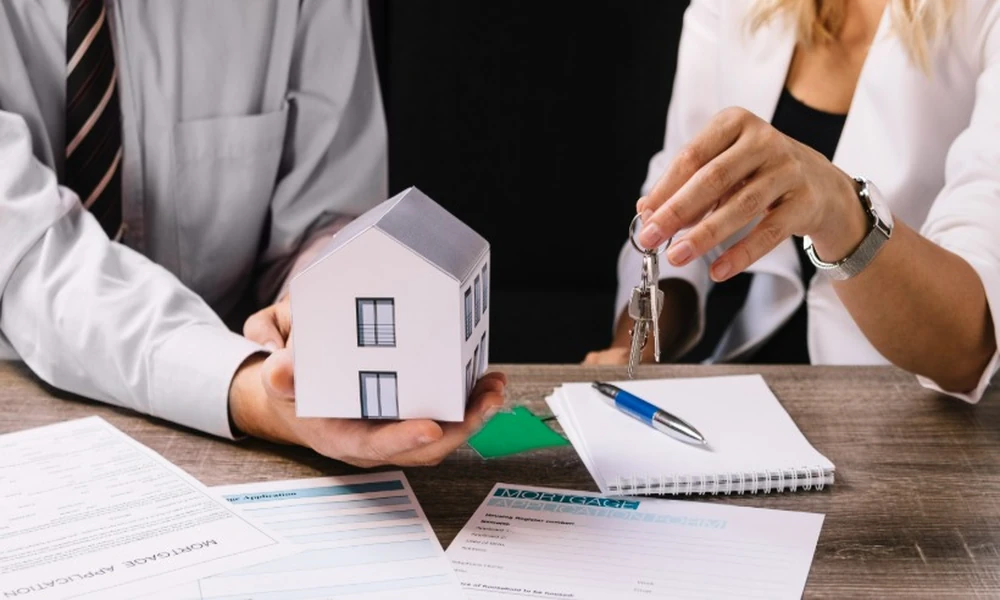
Buying a new property before selling an existing home can help a buyer avoid missing out on a suitable property. However, the arrangement also creates financial and practical risks. The buyer may need to manage two properties, cover additional costs, and arrange temporary finance while waiting for the current home to sell.
Below are the main risks buyers should consider before committing to a purchase while their current property remains unsold:
Two Properties Mean Higher Monthly Costs
Owning two properties at the same time can place significant pressure on a buyer’s finances. Mortgage payments may apply to both homes, while council tax, insurance, utilities, and maintenance add to the monthly expenses.
Those costs can continue for longer than expected if the current property does not attract a suitable offer quickly. A buyer who has planned around a short selling period may find the additional expenses difficult to absorb when the sale takes longer.
Bridging Finance Can Increase Borrowing Costs
Some buyers use a bridge loan UK finance when they need to complete a property purchase before receiving funds from their existing home. The arrangement can provide short-term funding during the gap between transactions.
However, bridging finance involves interest and other fees. Costs can rise when repayment takes longer than planned. A buyer, therefore, needs a realistic repayment strategy based on the expected sale of the current property.
The planned sale of the existing property often forms part of that repayment strategy. If the sale is delayed, the borrowing may remain in place for longer than originally intended.
The Existing Home May Sell Below Expectations
Another risk comes from relying on an estimated selling price. A buyer may expect the current property to achieve a particular amount, only to receive lower offers from potential purchasers.
A lower sale price can leave less money available to repay temporary borrowing. If the difference is substantial, the buyer may need additional funds to clear the outstanding balance.
Delays Can Extend the Financial Pressure
Property sales can take longer than anticipated. A potential buyer may lose a purchaser, face delays within the property chain, or need to reduce the asking price to attract offers.
Understanding how does bridging loan work can help a buyer assess what happens when the original repayment plan takes longer than expected. The buyer needs to consider the loan term, interest charges, repayment conditions, and available alternatives if the existing property does not sell promptly.
Market Conditions Can Make Selling Harder
Market conditions can also affect the decision to buy before selling. A property may attract fewer viewings when demand is weak. Buyers may also negotiate more aggressively on price.
Reducing the asking price could help secure a faster sale, but it may also reduce the amount available to repay temporary borrowing. Holding out for a higher offer can protect the expected sale proceeds while extending the period during which two properties must be funded.
The Purchase Needs Careful Financial Assessment
Choosing to buy a house before selling can give a buyer greater control over the timing of a move. It also exposes the buyer to higher costs until the existing property is sold.
Before proceeding, the buyer should assess the property’s realistic market value, expected selling timeframe, available cash, and total borrowing costs. Careful planning can help reveal whether the purchase remains affordable if the sale takes longer or produces less money than expected.
